The Vedic Culture and the Emergence of New Ideas
iv. Answer the following questions
1. What were the Vedas and why are they considered important sources of Indian history?
Answer:
The Vedas are the oldest sacred texts of ancient India, composed in Sanskrit. They contain hymns, prayers, rituals and information about society, religion and economy. They are important historical sources because they provide valuable information about early Vedic life and culture.
2. Describe the society during the Vedic Period. What role did family and women play?
Answer:
Vedic society was mainly organised around families, clans and tribes. The family was an important social unit. Women participated in religious activities and education during the early Vedic period. They could attend assemblies and some women composed hymns and took part in discussions.
3. What are the Upanishads? What key concepts did they introduce?
Answer:
The Upanishads are philosophical texts that form an important part of ancient Indian literature. They discussed ideas about Brahman (ultimate reality), Atman (self), karma, rebirth and moksha. They emphasised knowledge and self-realisation as paths to understanding ultimate reality.
4. Who was Siddhartha Gautama? How do you think his teachings were different from that of the Upanishads?
Answer:
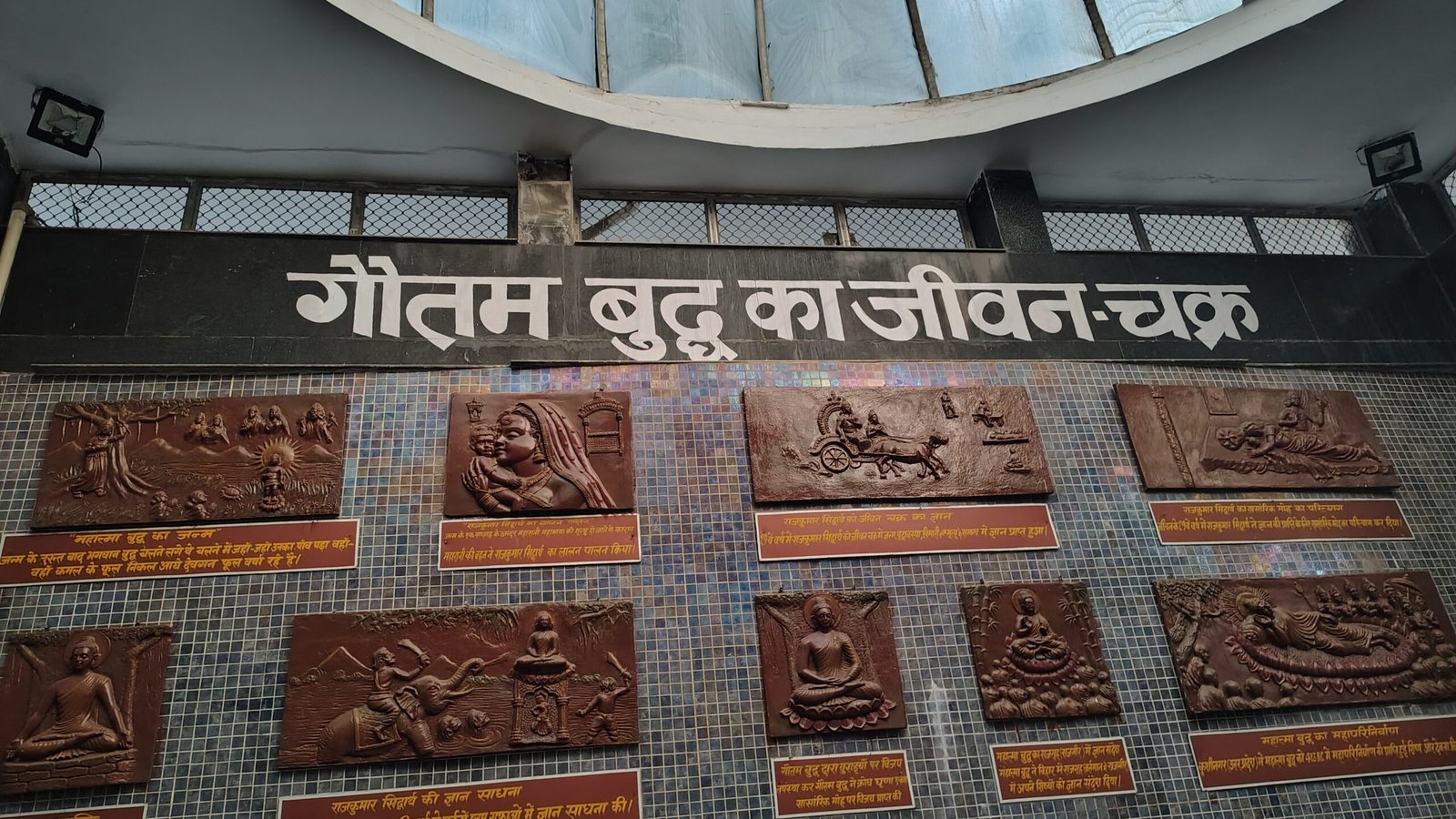
Siddhartha Gautama, known as the Buddha, founded Buddhism after attaining enlightenment. He taught the Four Noble Truths and the Eightfold Path. Unlike the Upanishads, which focused on Atman, Brahman and spiritual knowledge, Buddhism emphasised ending suffering through ethical living and meditation.
5. Discuss the main teachings of Mahavira.
Answer:
Mahavira was the twenty-fourth Tirthankara of Jainism. He taught ahimsa (non-violence), truthfulness, non-stealing, celibacy and non-possession. He emphasised self-discipline, compassion and control of desires. According to Jainism, following these principles helps people overcome karma and attain liberation or moksha.
6. Analyse the contribution of folk and tribal traditions to India’s cultural heritage.
Answer:
Folk and tribal traditions have greatly enriched India’s cultural heritage through their songs, dances, festivals, stories, paintings, crafts and traditional knowledge. They preserve local histories, customs and beliefs and have influenced mainstream Indian culture while maintaining the diversity of India’s cultural traditions.